On this page
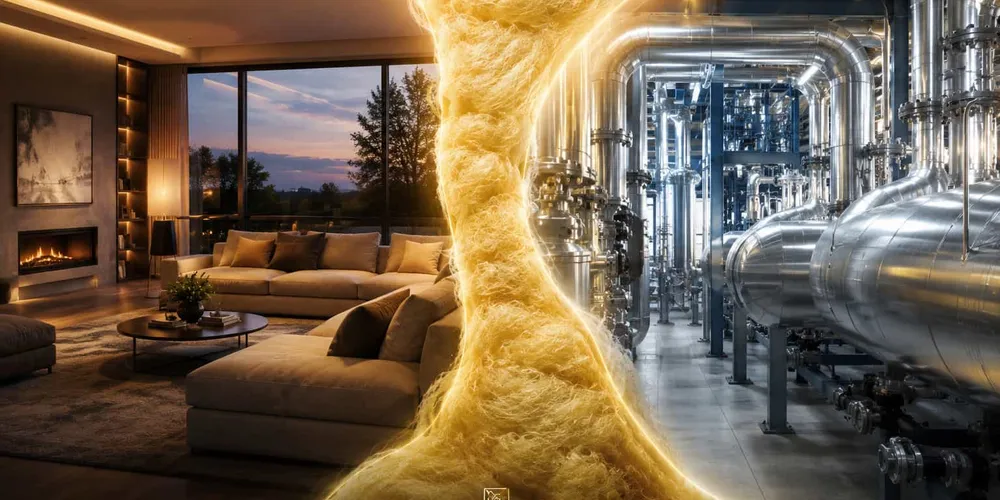
The glass wool blanket (also known as a glass wool roll) is a premium thermal insulation material primarily manufactured from high-quality glass fibers. Renowned for its superior performance, it is widely utilized across various sectors, including construction, industrial manufacturing, and residential decoration. As global building standards rise and insulation technologies advance, the application scope of glass wool blankets continues to expand, solidifying its position as an indispensable material in modern architecture.
Below, we detail the specific applications of glass wool blankets across different industries.
1. Core Characteristics of Glass Wool Blankets
Before diving into specific applications, it is essential to understand the fundamental properties that make the glass wool blanket so versatile:
- Exceptional Thermal Insulation: It boasts a relatively low thermal conductivity, which effectively isolates heat transfer and ensures indoor temperature stability.
- Excellent Acoustic Performance: Its intricate, network-like fiber structure effectively absorbs sound waves and mitigates noise interference, creating a more comfortable environment.
- Fire Resistance: The inherent properties of glass fibers provide excellent fire resistance, allowing the material to remain stable under high temperatures and significantly reducing fire hazards.
- Eco-Friendliness: Glass wool is a non-toxic and harmless material that strictly complies with environmental protection requirements, making it perfectly suited for long-term use.
2. Applications in the Construction Industry
Within the construction sector, glass wool blankets are deployed extensively, primarily focusing on the following areas:
2.1 Residential Thermal and Acoustic Insulation
When designing residential buildings, comfort is a primary consideration. As a highly efficient thermal barrier, glass wool blankets drastically reduce the impact of external temperatures on indoor environments. Applying it to walls, roofs, and floors can substantially enhance a home’s energy efficiency. Furthermore, its acoustic properties diminish external noise disruptions—such as traffic, neighbors, and other environmental factors—ensuring a tranquil family life.
2.2 Commercial Building Energy Conservation
Modern commercial buildings integrate energy-saving strategies right from the design phase. Utilizing glass wool blankets in exterior walls and roofs effectively traps heat, ensuring the optimal working efficiency of HVAC (heating, ventilation, and air conditioning) equipment. In large-scale facilities like shopping malls and corporate office buildings, this leads to significantly lowered energy consumption, reduced operational costs, and a minimized environmental footprint.
2.3 Industrial Building Fire Safety
Industrial structures typically demand much stricter fire safety standards. Due to its outstanding fire resistance, the glass wool blanket is the preferred insulation material for numerous factories and large warehousing facilities. Installing these fireproof materials in critical structural zones effectively elevates the overall safety of the building, safeguarding both personnel and valuable assets.
3. Applications in Industrial Production
Beyond civil construction, the role of glass wool blankets in industrial manufacturing and logistics cannot be overlooked.
3.1 Machinery and Equipment Insulation
During industrial manufacturing, mechanical equipment often generates immense amounts of heat. In sectors like petrochemicals and food processing, maintaining stable, high-efficiency equipment operation is crucial. Applying glass wool blankets can effectively minimize heat loss, drastically improve operational efficiency, and reduce overall energy consumption.
3.2 Cold Chain Transportation
During transit, particularly for temperature-sensitive goods like fresh food and pharmaceuticals, maintaining the internal temperature of the transport container is vital. The excellent thermal retention properties of glass wool blankets effectively minimize temperature fluctuations inside insulated boxes and shipping containers, thereby guaranteeing product safety and efficacy throughout the cold chain process.
4. Applications in Home Decoration
As homeowners increasingly prioritize their living environments, glass wool blankets are playing a more significant role in residential interior design.
4.1 Interior Soundproofing
Modern home design pursues not only aesthetic appeal but also profound comfort and livability. Applying glass wool blankets for wall soundproofing effectively mitigates the intrusion of various daily noises. This trend is becoming increasingly prevalent, especially in noisy urban environments.
4.2 Energy Efficiency as an Investment
With national energy efficiency standards for buildings becoming increasingly stringent, utilizing qualified insulation materials directly impacts both living comfort and energy savings. Integrating glass wool blankets into home renovations elevates the overall energy efficiency of the household and represents a tangible, long-term investment in the property.
Conclusion
As the demand for safe, non-toxic, and high-performance materials grows, the applications for glass wool blankets will continue to expand, perfectly aligning with global trends. Whether in home decoration or heavy industrial production, it will consistently provide us with safer, more comfortable, and highly sustainable environments for the future.