On this page
In the insulation industry, there is a common saying: “30% material, 70% craftsmanship”. To ensure rubber plastic insulation materials achieve their ideal thermal performance, adopting the correct usage and installation methods is absolutely essential.
Below, Kingsenda Insulation details the critical precautions you must take during the installation and operational use of rubber plastic insulation materials.
1. Operating Environment
During the installation and use of rubber plastic insulation, it is critical to avoid environments characterized by extreme high temperatures, high humidity, or corrosive elements.
- Indoor Applications: Maintain a dry, well-ventilated environment and prevent the material from coming into contact with acidic substances.
- Outdoor Applications: When used outdoors, the material must be properly shielded to avoid direct sunlight exposure and rain.
2. Avoid Excessive Compression and Stretching
Rubber plastic insulation naturally possesses a certain degree of compressibility and elasticity. However, during application, you must strictly avoid over-compressing or over-stretching the material.
Excessive physical stress will lead to severe structural deformation, which directly deteriorates its thermal insulation capabilities. Therefore, installers must reasonably control the compression and stretch ratios to ensure the material retains its optimal insulating properties.
3. Pay Attention to Installation Methods
The correct installation technique has a profound impact on both the effectiveness and the lifespan of the rubber plastic insulation.
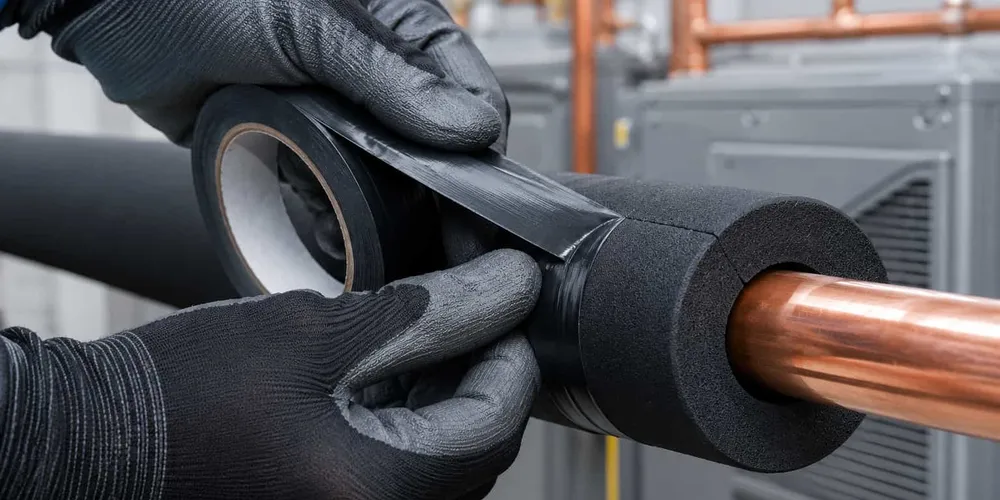
- Proper Fitting: During construction, strictly adhere to the manufacturer’s installation guidelines, ensuring the insulation tightly hugs the surface of the pipes or equipment without leaving any air gaps.
- Handle with Care: Avoid forcefully pulling or violently twisting the material to prevent tearing or damaging its internal closed-cell structure.
- Post-Installation Inspection: Once installed, conduct a thorough inspection to ensure there are no tears, damages, or loose sections.
4. Control the Temperature Range
The standard operating temperature range for rubber plastic insulation is generally between -50°C and 110°C.
To preserve its performance and lifespan, avoid exposing the material to environments that excessively exceed or drop below these thresholds for prolonged periods. In operating environments subject to drastic temperature fluctuations, effective secondary thermal barrier measures should be implemented to mitigate the impact of thermal shock on the insulation material.
5. Regular Inspection and Maintenance
To guarantee the long-term effectiveness and safety of the insulation system, regular inspection and routine maintenance are required.
- Routine Checks: Regularly inspect the exterior appearance and assess the thermal performance of the material.
- Prompt Repairs: If any damage or performance degradation is detected, immediate repairs or replacements must be carried out.
- Cleaning and Upkeep: Keep the surface of the rubber plastic insulation clean. For sections that are severely damaged or heavily aged, prompt replacement is necessary to prevent compromising the overall system’s insulation efficiency and operational safety.
Conclusion
In summary, proper installation and ongoing maintenance are the fundamental keys to ensuring the long-term thermal performance and safety of rubber plastic insulation. Throughout its lifecycle, strict attention must be paid to the operating environment, stretching limits, installation methods, temperature controls, and regular maintenance protocols.