On this page
Glass wool is one of the most widely used insulation materials globally. But what exactly is it, and how does it achieve such remarkable thermal and acoustic performance? This comprehensive guide explores the definition, manufacturing process, working principles, and practical applications of glass wool, providing valuable insights for contractors, distributors, and designers.
1. What is Glass Wool?
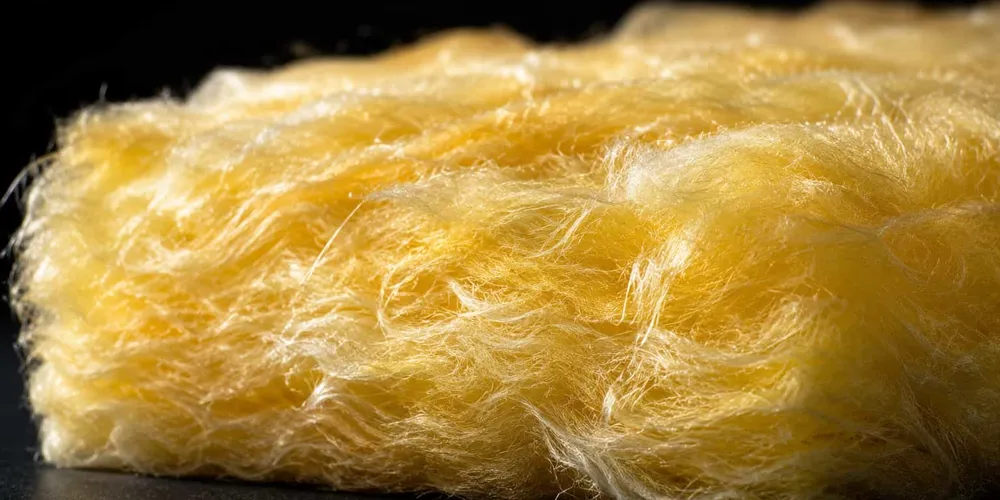
Glass wool is an insulating material composed of ultra-fine glass fibers. To meet diverse construction and industrial needs, it is typically manufactured in four primary shapes:
- Glass Wool Boards and Blankets (Rolls): The most commonly used formats for large-surface insulation.
- Pipe Sections and Strips: Specialized formats designed for specific applications.
In residential and commercial projects, glass wool is widely installed in unfinished walls, floors, and ceilings to significantly slow the transfer of heat and cold. Beyond civil construction, it is also highly effective for thermal insulation and fire protection in industrial facilities, marine vessels, and extensive piping networks.
2. The Manufacturing Process
The production of glass wool relies heavily on natural and recycled materials. The primary ingredients are quartz sand and recycled glass, supplemented with carefully measured amounts of alumina, calcium oxide, and boron oxide.
These raw materials are thoroughly mixed and fed into a massive furnace operating at a blistering 1350°C. Once molten, the liquid glass is spun through a high-speed centrifugal process to create microscopic fibers. As the fibers cool, a specialized thermosetting resin is added to bind them together, forming the familiar resilient and porous structure of the final product.
3. How Glass Wool Works
As an insulator, glass wool mitigates the transmission of heat, cold, and sound through a building’s structure. It achieves this by utilizing its intricate web of fibers to trap countless tiny pockets of air.
By restricting the amount of airflow moving in and out of a structure, the trapped air acts as a highly effective barrier, keeping indoor spaces warm in winter and cool in summer. It is important to note that while the fiberglass structure severely restricts airflow, it does not completely seal it off, often necessitating a vapor barrier depending on the climate.
4. Pros and Cons
Like any building material, glass wool has specific characteristics that dictate how it should be handled and applied.
Advantages:
- Excellent Insulation: Outstanding thermal and acoustic performance.
- Durability: Highly resistant to corrosion.
- Fire Safety: Classified as a Class A non-combustible material.
- Cost-Effective: Simple to install and highly affordable, offering an exceptional return on investment.
Disadvantages:
- Handling Irritation: Direct skin contact with bare glass fibers can cause temporary itching and irritation.
- Moisture Absorption: It possesses a certain degree of hygroscopicity (tendency to absorb moisture).
Therefore, strict protective measures must be taken during installation (wearing gloves and masks). Furthermore, the installed material must be properly sealed and protected with facings (like aluminum foil) rather than left exposed to the elements.
5. Installation and Application
Glass wool can be installed in various locations, including attics, floors, edge joists, and stud walls.
- Standard Applications: Blankets, boards, or strips can be easily measured, cut to the appropriate size, and secured into place with friction-fitting or nails.
- Pipe Insulation: Pre-formed pipe sections are slipped directly over piping and secured using steel wire or specialized aluminum tape.
- Spray Applications: Loose-fill glass wool can also be applied via specialized blowing equipment for hard-to-reach areas.
When correctly installed, glass wool forms a reliable barrier that mitigates moisture passage and prevents fiber particles from entering living spaces. Because improper DIY installation often leads to subpar performance and safety risks, it is highly recommended to hire professional insulation contractors to ensure optimal results.
6. Energy-Saving Effectiveness
The true value of glass wool lies in its remarkable energy-saving capabilities:
- Steel Structures: Can reduce heating energy consumption by over 20%, cooling energy by over 15%, and overall carbon emissions by more than 20%.
- Residential Buildings: Total energy savings can reach an impressive 55%.
- HVAC Systems: When applied to ductwork, it can conserve between 20% and 50% of energy consumption.
Although considered a traditional insulation material, glass wool’s thermal performance rivals that of many newer, more expensive alternatives. Its unbeatable combination of high performance and low cost consistently makes it the preferred choice for architects, designers, and B2B sourcers worldwide.